
Repair Guides
What Do Refrigerator Filters Remove? (2026 Guide)
Discover what refrigerator filters remove, from chlorine and lead to odors. Improve your Twin Cities water quality with cleaner ice and drinking water.
May 8, 2026
Last verified
In this article(64)
- What Is a Refrigerator Water Filter?
- How Refrigerator Filters Work
- 1. Particle Filtration
- 2. Micro-Filtration
- 3. Adsorption Filtration
- What Do Refrigerator Filters Actually Remove?
- Common Contaminants Refrigerator Filters Remove
- Chlorine Removal Improves Taste and Smell
- Lead Reduction Is Important for Older Homes
- Sediment and Rust Removal Protect Your Appliance
- What Refrigerator Filters DO NOT Remove
- Most Refrigerator Filters Cannot Fully Remove:
- Refrigerator Filter vs Reverse Osmosis System
- Refrigerator Filter
- Reverse Osmosis System
- Are Refrigerator Filters Really Effective?
- Signs Your Refrigerator Filter Needs Replacement
- How Often Should You Replace a Refrigerator Filter?
- Common Refrigerator Filter Mistakes Homeowners Make
- Common Mistakes Include:
- Types of Refrigerator Water Filters
- Activated Carbon Filters
- Inline Refrigerator Filters
- Push-In Cartridge Filters
- Refrigerator Filter Replacement Cost in Minneapolis
- Average Refrigerator Filter Costs
- Standard Filters
- Premium OEM Filters
- Professional Service & Installation
- Factors That Affect Refrigerator Filter Replacement Cost
- How to Replace a Refrigerator Water Filter
- Basic Refrigerator Filter Replacement Steps
- 1. Locate the Filter
- 2. Remove the Old Filter
- 3. Install the New Filter
- 4. Flush the System
- 5. Reset the Filter Light
- Safety Tips During Filter Replacement
- How Refrigerator Filters Help Ice Makers
- Benefits of a Clean Refrigerator Filter
- Prevention & Maintenance Tips for Refrigerator Filters
- Best Refrigerator Filter Maintenance Tips
- Seasonal Minneapolis Refrigerator Maintenance Tips
- Winter Maintenance Recommendations
- When to Call a Professional in Minneapolis
- Call a Professional If:
- Why Choose Us for Refrigerator Repair in Minneapolis
- Why Homeowners Choose Our Team
- Experienced Local Technicians
- Same-Day Refrigerator Repair
- Transparent Pricing
- OEM-Compatible Parts
- Full Brand Support
- Refrigerator Filter Services Across Minneapolis & Nearby Areas
- Final Thoughts about Refrigerator Filters
- Schedule Refrigerator Repair or Filter Service in Minneapolis
- Frequently Asked Questions
- What contaminants do refrigerator filters remove?
- How often should I replace my refrigerator water filter?
- Can a dirty refrigerator filter affect the ice maker?
- Do refrigerator filters remove bacteria?
- Why does my refrigerator water taste bad after replacing the filter?
- Are OEM refrigerator filters better than generic filters?
- Can refrigerator filters help with hard water?
If you are wondering what refrigerator filters actually remove, the short answer is: refrigerator water filters help reduce contaminants like chlorine, lead, sediment, rust, odors, pesticides, and some harmful chemicals from your drinking water and ice. Most modern refrigerator filters use activated carbon technology to improve water taste, smell, and overall quality.
For homeowners in Minneapolis, St. Paul, and nearby Twin Cities suburbs, refrigerator water filters are especially important because aging plumbing systems, seasonal sediment buildup, and mineral-heavy water can affect both water quality and appliance performance.
What Is a Refrigerator Water Filter?
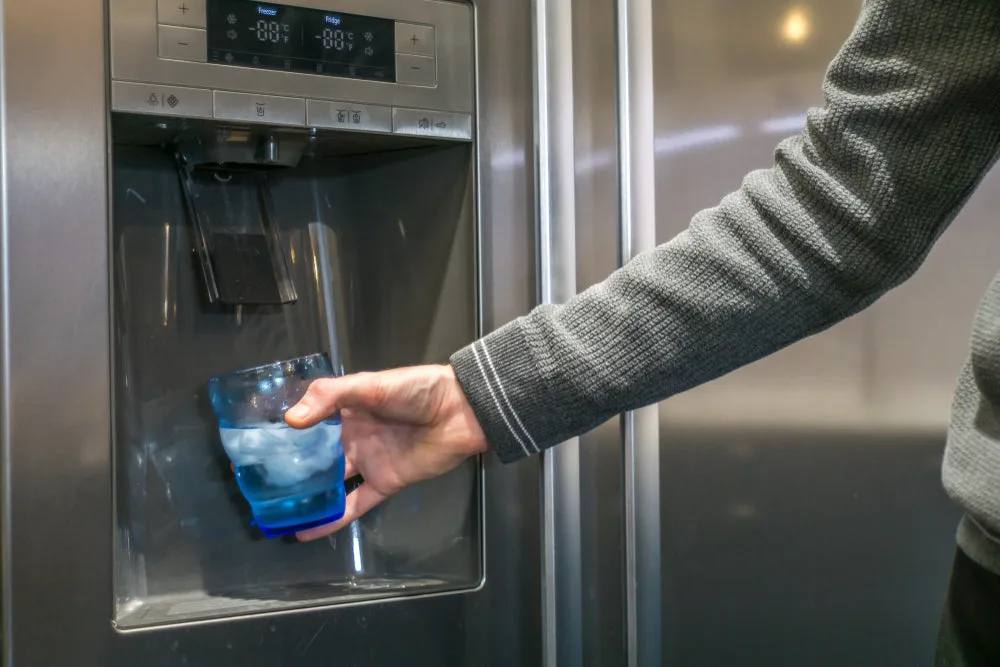
A refrigerator water filter is a filtration cartridge installed inside or behind your refrigerator. Its job is to clean the water flowing into your refrigerator’s water dispenser and ice maker.
Most refrigerator brands, including LG, Samsung, GE, Whirlpool, KitchenAid, Frigidaire, and Sub-Zero, use built-in filtration systems designed to improve drinking water quality while protecting internal appliance components.
How Refrigerator Filters Work
Most refrigerator water filters use activated carbon filtration, often made from coconut shell carbon. This material contains tiny pores that trap contaminants as water passes through.
The filtration process typically happens in three stages:
1. Particle Filtration
This stage captures larger particles such as:
Sand
Dirt
Rust
Sediment
2. Micro-Filtration
The filter traps medium-sized contaminants like:
Cysts
Organic particles
Some microorganisms
3. Adsorption Filtration
Activated carbon absorbs microscopic pollutants and chemicals that affect water quality.
This stage helps reduce:
Chlorine taste
Chemical odors
Some pesticides
Pharmaceutical traces
What Do Refrigerator Filters Actually Remove?
One of the most common questions we hear from homeowners in Minneapolis is:
“Does my refrigerator filter really clean the water?”
The answer is yes — when properly maintained, refrigerator filters are very effective at improving water quality.
Common Contaminants Refrigerator Filters Remove
Most NSF-certified refrigerator filters help reduce:
Chlorine
Lead
Sediment
Rust particles
Mercury
Pesticides
Herbicides
Bad odors
Unpleasant taste
Some pharmaceutical traces
Chlorine Removal Improves Taste and Smell
Chlorine is one of the most noticeable contaminants in tap water. Municipal water systems use chlorine for disinfection, but it often leaves water tasting or smelling unpleasant.
Many Minneapolis homeowners describe unfiltered water as:
Metallic
Chemical-tasting
Slightly sour
Strong-smelling
A refrigerator filter significantly improves drinking water taste by reducing chlorine and odor-causing compounds.
Lead Reduction Is Important for Older Homes
Some older homes in Minneapolis and St. Paul still contain aging plumbing components that may contribute trace amounts of lead to household water.
High-quality refrigerator filters can reduce lead contamination, which is especially important for:
Families with children
Pregnant women
Elderly homeowners
In neighborhoods with older infrastructure, refrigerator filters provide an extra layer of protection for daily drinking water and ice.
Sediment and Rust Removal Protect Your Appliance
During winter and seasonal pipe maintenance, sediment can enter local water lines throughout the Twin Cities area.
Refrigerator filters help remove:
Rust flakes
Pipe sediment
Mineral debris
Dirt particles
This not only improves water clarity but also helps protect:
Ice makers
Water inlet valves
Internal refrigerator tubing
We regularly see clogged water lines in Minneapolis homes caused by heavy sediment buildup after plumbing repairs or city water work.
What Refrigerator Filters DO NOT Remove
While refrigerator filters are helpful, they are not designed to remove every possible contaminant.
Most Refrigerator Filters Cannot Fully Remove:
Arsenic
Fluoride
Nitrates
Salt
Hard water minerals
Certain bacteria
Viruses
This is one of the biggest misconceptions homeowners have.
A refrigerator filter is not the same as a reverse osmosis system or whole-home water filtration system.
Refrigerator Filter vs Reverse Osmosis System
Many Minneapolis homeowners ask whether they need a refrigerator filter or a reverse osmosis system.
Here is the simple difference:
Refrigerator Filter
Best for:
Better tasting water
Cleaner ice
Basic contaminant reduction
Everyday convenience
Reverse Osmosis System
Best for:
Deep filtration
Removing fluoride and nitrates
Heavy contaminant reduction
Advanced water purification
For most homeowners, a refrigerator filter is sufficient for daily drinking water improvement. However, homes with known water quality concerns may benefit from additional filtration systems.
Are Refrigerator Filters Really Effective?
Yes — but only when they are replaced regularly.
A dirty or expired filter can become ineffective and may even reduce water flow or cause strange tastes and odors.
Signs Your Refrigerator Filter Needs Replacement
Watch for these warning signs:
Slow water dispensing
Cloudy or bad-tasting ice
Strange smell from water
Reduced ice production
Filter warning light illuminated
Water dispenser sputtering
In Minneapolis appliance repair calls, clogged refrigerator filters are one of the most common causes of poor water flow and ice maker problems.
How Often Should You Replace a Refrigerator Filter?
Most manufacturers recommend replacing refrigerator water filters every 6 months.
However, replacement frequency depends on:
Water quality
Household size
Refrigerator usage
Sediment levels in local plumbing
Homes in older Minneapolis neighborhoods may need more frequent replacements due to aging pipes and sediment buildup.
Common Refrigerator Filter Mistakes Homeowners Make
Over the years, we have seen several common mistakes during refrigerator repair service calls across Minneapolis, Edina, Bloomington, and Roseville.
Common Mistakes Include:
Ignoring the filter replacement light
Buying cheap aftermarket filters
Installing the wrong filter model
Forgetting to flush the new filter
Waiting too long between replacements
One homeowner in Eden Prairie experienced repeated ice maker failures because they had not replaced their Samsung refrigerator filter in nearly three years. Sediment buildup eventually restricted water flow completely.
Types of Refrigerator Water Filters
Different refrigerators use different types of filters.
Activated Carbon Filters
The most common type used in modern refrigerators.
Benefits:
Affordable
Effective
Easy to replace
Inline Refrigerator Filters
Installed behind the refrigerator along the water supply line.
Common in:
Older refrigerators
Built-in units
Some Sub-Zero models
Push-In Cartridge Filters
Common in:
These are usually installed inside the refrigerator compartment.
Refrigerator Filter Replacement Cost in Minneapolis
The cost of replacing a refrigerator filter depends on the refrigerator brand and filter type.
Average Refrigerator Filter Costs
Standard Filters
$30–$80
Premium OEM Filters
$80–$150
Professional Service & Installation
$80–$200
Factors That Affect Refrigerator Filter Replacement Cost
Several factors influence the total cost:
Refrigerator brand
OEM vs aftermarket filters
Accessibility of filter housing
Water line condition
Existing leaks or damage
Sub-Zero and built-in refrigerator systems typically cost more due to specialized components.
How to Replace a Refrigerator Water Filter
Many homeowners can replace refrigerator filters themselves.
Basic Refrigerator Filter Replacement Steps
1. Locate the Filter
Most filters are:
Inside the refrigerator
Near the top corner
Behind a panel
In the grille area
2. Remove the Old Filter
Twist or press-release the cartridge carefully.
3. Install the New Filter
Insert the correct replacement model.
4. Flush the System
Run water for several minutes to remove trapped air and carbon particles.
5. Reset the Filter Light
Most refrigerators have a reset button or control panel option.
Safety Tips During Filter Replacement
Avoid these common DIY mistakes:
Do not force the filter into place
Never use incompatible filters
Check carefully for leaks
Avoid overtightening connections
We often receive Minneapolis refrigerator repair calls after homeowners accidentally crack filter housings during installation.
How Refrigerator Filters Help Ice Makers
A clean filter directly affects ice maker performance.
Benefits of a Clean Refrigerator Filter
Better tasting ice
Clearer ice cubes
Improved ice production
Reduced mineral buildup
Dirty filters can cause:
Small ice cubes
Hollow cubes
Slow production
Ice maker failure
Prevention & Maintenance Tips for Refrigerator Filters
Proper maintenance helps extend both filter life and refrigerator performance.
Best Refrigerator Filter Maintenance Tips
Replace filters every 6 months
Flush new filters thoroughly
Use OEM-certified filters when possible
Inspect water lines annually
Keep refrigerator coils clean
Monitor water pressure
Seasonal Minneapolis Refrigerator Maintenance Tips
Minnesota winters can affect water systems and appliances.
Winter Maintenance Recommendations
Inspect water lines after freezing weather
Watch for sediment after city pipe work
Check for leaks during temperature swings
Monitor ice maker performance in winter months
Many homeowners notice cloudy water or reduced flow after seasonal municipal plumbing maintenance.
When to Call a Professional in Minneapolis
Some refrigerator water filter issues require professional appliance repair service.
Call a Professional If:
Water still tastes bad after replacing the filter
The refrigerator is leaking
The filter gets stuck
Water pressure remains low
Ice maker stops working completely
Filter housing cracks
Refrigerator stops dispensing water
These symptoms may indicate:
Frozen water lines
Damaged filter heads
Faulty inlet valves
Internal refrigerator leaks
Professional diagnosis helps prevent larger refrigerator repair costs later. So you can call Professionals like Central Minnesota Appliance Repair to prevent high refrigerator repair costs in the future.
Why Choose Us for Refrigerator Repair in Minneapolis
We provide professional refrigerator repair and water filter services throughout Minneapolis and surrounding Twin Cities communities.
Why Homeowners Choose Our Team
Experienced Local Technicians
We service all major refrigerator brands daily.
Same-Day Refrigerator Repair
Fast scheduling throughout Minneapolis and nearby suburbs.
Transparent Pricing
No hidden charges or surprise fees.
OEM-Compatible Parts
We use quality refrigerator filters and manufacturer-approved components.
Full Brand Support
We repair:
Refrigerator Filter Services Across Minneapolis & Nearby Areas
We proudly serve:
Whether you need refrigerator filter replacement, water dispenser repair, or ice maker service, our local team is ready to help.
Final Thoughts about Refrigerator Filters
Refrigerator water filters play a major role in improving drinking water quality, protecting your appliance, and keeping your ice fresh and clean.
While refrigerator filters cannot remove every possible contaminant, they are highly effective at reducing chlorine, lead, sediment, odors, and many common pollutants when properly maintained.
For homeowners in Minneapolis and surrounding areas, regular refrigerator filter replacement is one of the easiest ways to improve both appliance performance and water quality.
Schedule Refrigerator Repair or Filter Service in Minneapolis
Need help with your refrigerator water filter, water dispenser, or ice maker?
Our Minneapolis refrigerator repair technicians provide fast, reliable service for all major refrigerator brands.
Call today to schedule:
Refrigerator filter replacement
Water dispenser repair
Refrigerator leak repair
Same-day refrigerator service in Minneapolis
Book your refrigerator repair appointment today and keep your water clean, fresh, and flowing properly.
Frequently Asked Questions
What contaminants do refrigerator filters remove?
Refrigerator filters commonly remove chlorine, lead, sediment, odors, and some pesticides from drinking water.
How often should I replace my refrigerator water filter?
Most refrigerator water filters should be replaced every six months.
Can a dirty refrigerator filter affect the ice maker?
Yes, clogged filters can reduce water flow and cause ice maker problems.
Do refrigerator filters remove bacteria?
Most standard refrigerator filters reduce some contaminants but do not fully eliminate all bacteria or viruses.
Why does my refrigerator water taste bad after replacing the filter?
This may happen due to trapped air, dirty water lines, or internal refrigerator water system issues.
Are OEM refrigerator filters better than generic filters?
OEM filters are typically more reliable and designed specifically for your refrigerator model.
Can refrigerator filters help with hard water?
Refrigerator filters may reduce some sediment but usually do not fully remove hard water minerals.
Frequently asked questions
Quick answers
What Is a Refrigerator Water Filter?
A refrigerator water filter is a filtration cartridge installed inside or behind your refrigerator. Its job is to clean the water flowing into your refrigerator’s water dispenser and ice maker. Most refrigerator brands, including LG, Samsung , GE, Whirlpool, KitchenAid , Frigidaire, and Sub-Zero , use built-in filtration systems designed to improve drinking water quality while protecting internal appliance components. Most refrigerator water filters use activated carbon filtration, often made from coconut shell carbon. This material contains tiny pores that trap contaminants as water passes through. The filtration process typically happens in three stages: This stage captures larger particles such as: Sand Dirt Rust Sediment The filter traps medium-sized contaminants like: Cysts Organic particles Some microorganisms Activated carbon absorbs microscopic pollutants and chemicals that affect water quality. This stage helps reduce: Chlorine taste Chemical odors Some pesticides Pharmaceutic
What Do Refrigerator Filters Actually Remove?
One of the most common questions we hear from homeowners in Minneapolis is: “Does my refrigerator filter really clean the water?” The answer is yes — when properly maintained, refrigerator filters are very effective at improving water quality. Most NSF-certified refrigerator filters help reduce: Chlorine Lead Sediment Rust particles Mercury Pesticides Herbicides Bad odors Unpleasant taste Some pharmaceutical traces
Are Refrigerator Filters Really Effective?
Yes — but only when they are replaced regularly. A dirty or expired filter can become ineffective and may even reduce water flow or cause strange tastes and odors. Watch for these warning signs: Slow water dispensing Cloudy or bad-tasting ice Strange smell from water Reduced ice production Filter warning light illuminated Water dispenser sputtering In Minneapolis appliance repair calls, clogged refrigerator filters are one of the most common causes of poor water flow and ice maker problems.
How Often Should You Replace a Refrigerator Filter?
Most manufacturers recommend replacing refrigerator water filters every 6 months. However, replacement frequency depends on: Water quality Household size Refrigerator usage Sediment levels in local plumbing Homes in older Minneapolis neighborhoods may need more frequent replacements due to aging pipes and sediment buildup.
What contaminants do refrigerator filters remove?
Refrigerator filters commonly remove chlorine, lead, sediment, odors, and some pesticides from drinking water.
How often should I replace my refrigerator water filter?
Most refrigerator water filters should be replaced every six months.
Can a dirty refrigerator filter affect the ice maker?
Yes, clogged filters can reduce water flow and cause ice maker problems.
Do refrigerator filters remove bacteria?
Most standard refrigerator filters reduce some contaminants but do not fully eliminate all bacteria or viruses.
Related repair services
Need this repaired professionally?
This guide pairs with our same-day in-home repair service. Same techs, OEM parts, 1-year warranty.